Platelet-rich plasma (PRP) therapy can help with certain types of joint pain by using concentrated platelets from your own blood to support the body’s healing response. PRP therapy is a nonsurgical option that may be considered for arthritis, overuse injuries, and some soft-tissue problems when discomfort or stiffness interferes with how you move.
No Location SelectedAt Old Town Med Spa in Chicago, IL, regenerative care is led by Dr. Nael Gharbi and Dr. Shazel Gharbi. The physicians have more than 10 years of medical experience and are board-certified in Internal Medicine and Aesthetic Medicine.
How Does PRP Work for Joint Pain?
PRP treatment starts with a small blood draw. Your blood is processed to separate and concentrate the platelet-rich portion, which contains growth factors involved in your body’s natural repair processes. The concentrated PRP is then injected into the painful joint or surrounding tissue.
Rather than simply numbing discomfort for a short period, the goal is to support healing in the affected area.
What Types of Joint Pain Can PRP Help?
PRP is used for a range of musculoskeletal concerns. At Old Town Med Spa, it can be considered for osteoarthritis affecting joints such as the knee, hip, shoulder, or ankle, as well as tendon problems, rotator cuff injuries, meniscus or labrum tears, bursitis, repetitive-stress injuries, and certain sports-related injuries.
Your diagnosis matters. PRP isn’t equally well-studied for every source of joint pain, and it won’t replace surgery when significant structural damage has occurred.
For knee osteoarthritis specifically, studies like this one published in Joint Bone Spine suggest PRP may reduce discomfort and enhance function in certain cases. However, research findings remain mixed, and the degree and duration of improvement aren’t predictable.
How Quickly Can PRP Ease Joint Pain?
PRP doesn’t typically produce instant relief. Your body needs time to respond after the injection, so improvement can develop gradually over several weeks. Some people continue to see changes over two to three months, and more than one session may be recommended based on the joint and underlying condition.
Because PRP and PRFM aren’t FDA-approved therapies, the FDA hasn’t reviewed them specifically for safety or efficacy in these uses. Your medical history, imaging, symptoms, and goals should all be considered before deciding whether PRP makes sense for you.
Find Out if PRP Is Right for Your Joint Pain
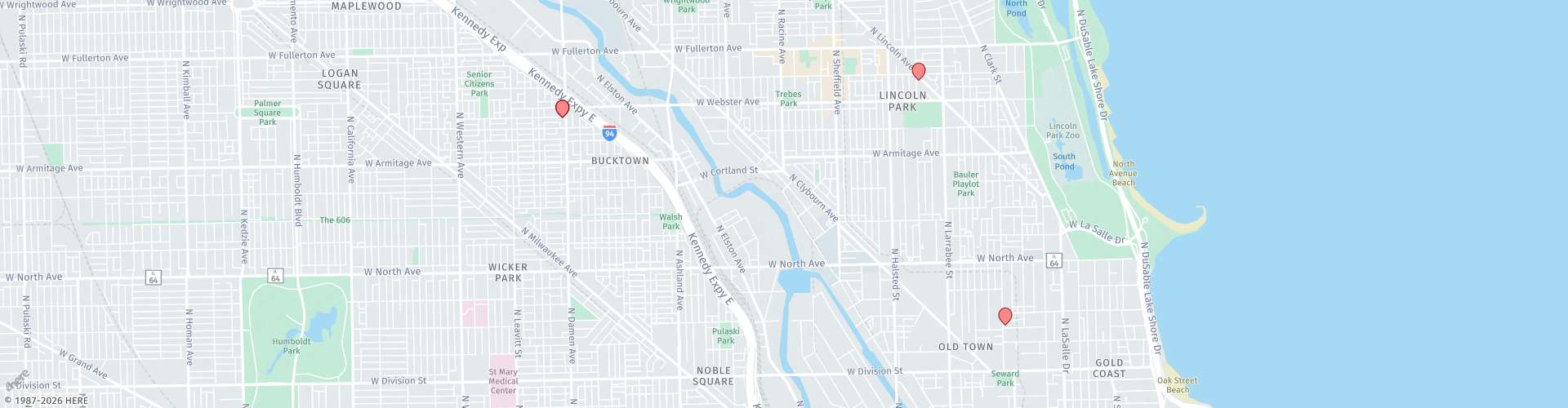
Joint pain doesn’t always require the same type of care. Dr. Nael Gharbi and Dr. Shazel Gharbi can evaluate your concerns and discuss whether regenerative joint injections fit your needs. Contact us at Old Town Med Spa in River North, Lincoln Park, or Bucktown, or book online.